

ABIS Highlights Custom Drone Parts Molds for UAV Product Development
News originally published by
EIN Presswire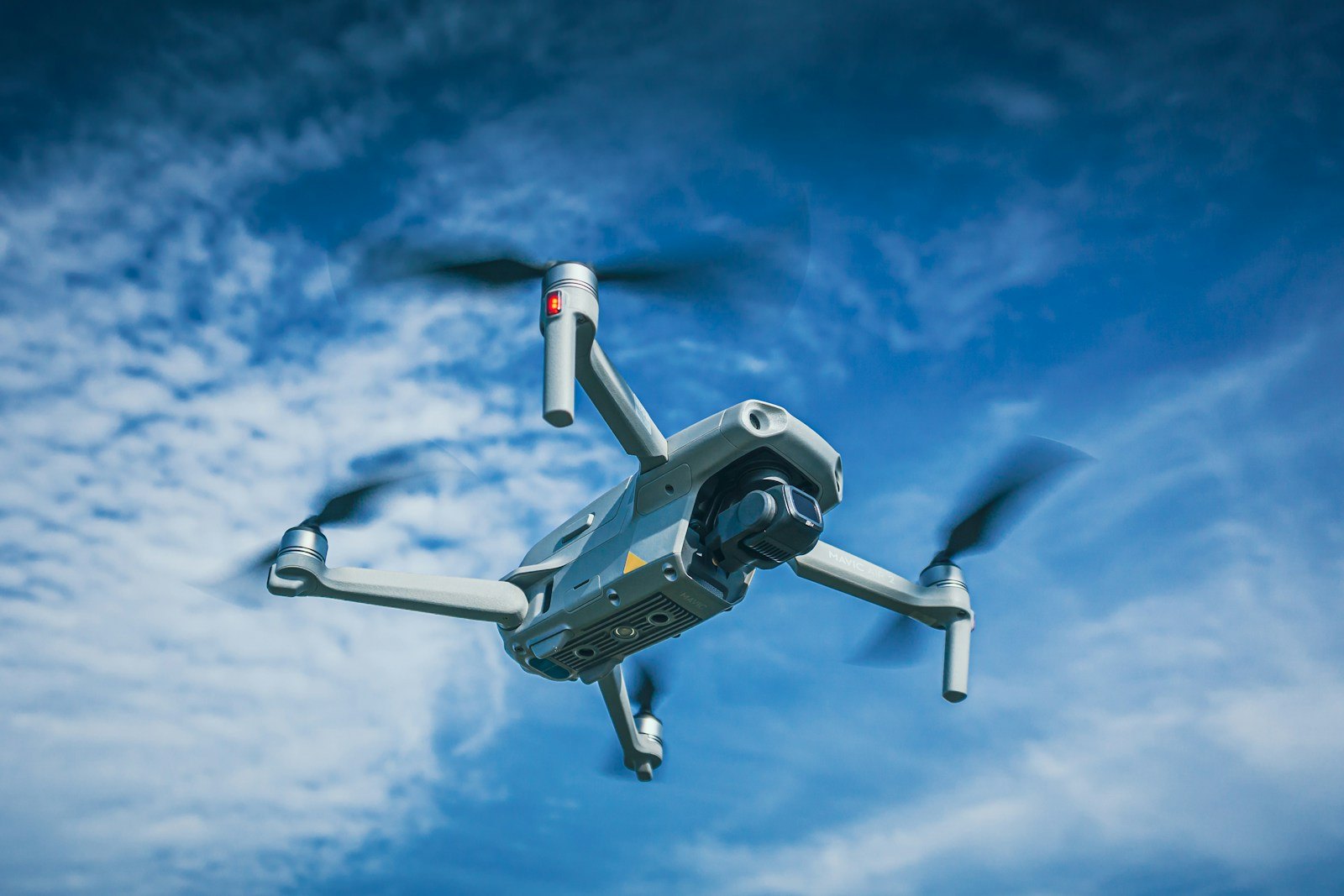
drone-flight
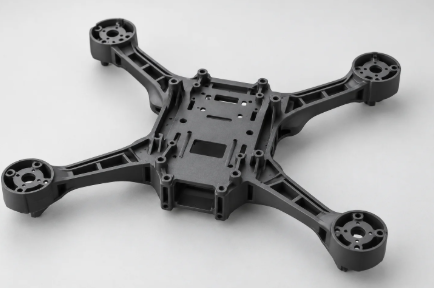
drone-flight2

Mold Factory

injection mold manufacturer
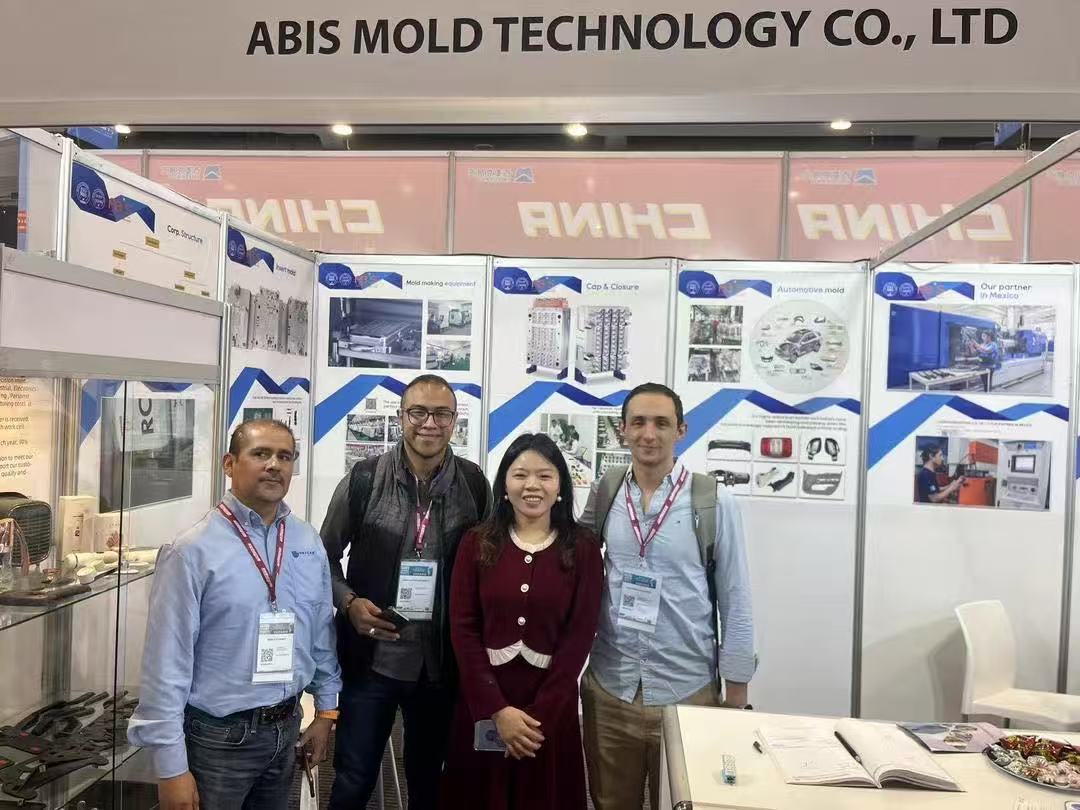
Mould Exhibition
ABIS explores custom drone parts molds, housing design and material selection, connecting prototype evaluation with repeat production.
SHENZHEN, GUANG-DONG, CHINA, November 18, 2026 /EINPresswire.com/ -- ABIS Mold is highlighting the engineering work behind custom drone parts molds through its UAV tooling and plastic components resource. The Shenzhen manufacturer describes support for drone housings, frame components and enclosures, connecting design-for-manufacturing review with sampling and repeat production.For product teams, the subject reaches beyond the appearance of an aircraft. A plastic enclosure has to fit around the hardware it protects. A removable cover has to work with the surrounding assembly. A controller shell has to accommodate the controls and connections used by its operator. Each component gives the mold developer a different problem to solve.
That makes drone injection molds part of a wider development conversation involving product design, material selection, assembly and inspection. Bringing those subjects together early gives manufacturers an opportunity to evaluate how a proposed design will be produced and how the resulting parts will be approved.
ABIS’s resource offers a starting point for brands and OEM/ODM teams looking to turn that conversation into a defined manufacturing project.
From a Flight Concept to a Manufacturable Component
A drone development program can contain several kinds of uncertainty at the same time. The product team may be refining the overall configuration while another group is already evaluating electronics packaging or preparing an early assembly build.
A useful manufacturing discussion identifies the decision needed for each component. An enclosure intended for an initial fit check may require a different approach from a released part being prepared for repeated orders.
Consider a prototype that confirms the location of a circuit board. That result can help the team proceed with packaging decisions, while leaving separate questions about production material, manufacturing variation and inspection.
For a drone plastic parts manufacturer, understanding that distinction helps establish the appropriate scope of work. It allows the supplier to explain which questions its proposal addresses and what information is still needed before the next commitment.
The result is a development plan that connects the immediate build with the intended production path.
Drone Housings Begin with the Assembled Product
The housing is an accessible place to begin a drone tooling review because it brings visible surfaces and internal interfaces into the same component.
ABIS’s housing design guide discusses shell joints, fastening features, wall transitions and the placement of gate and ejector marks. These subjects connect the appearance of a molded shell with the way it fits into the product.
A practical review can follow the assembly sequence. Engineering can identify how the lower shell is located, which internal components are installed first and how the upper shell is secured. This helps reveal questions that may remain hidden when a model is reviewed on its own.
For example, a fastening point could be accessible before a cable or connector is installed but difficult to reach afterward. Considering that sequence during the design review gives the team an opportunity to assess alternatives while changes remain manageable.
The same review can identify the surfaces that will be inspected for appearance and the interfaces that will be checked for fit. Those priorities give a drone housing injection mold project a clearer technical purpose.
Frame Components Need Their Own Engineering Questions
A frame-related component deserves a review based on its role in the complete structure. The important question is how the customer intends to use the part and what evidence will support that use.
ABIS’s materials guide distinguishes enclosure requirements from structural load paths and discusses considerations for reinforced thermoplastics. It also separates injection-molded fiber-filled materials from continuous-fiber composite processes.
For a buyer, that distinction helps organize a useful supplier conversation. A proposed material can be reviewed against the component’s actual geometry, attachment method and validation requirements.
An engineering team might begin by identifying the interfaces through which forces enter and leave the component. It can then define which checks belong to the part supplier and which require evaluation in the assembled product.
This approach keeps the proposal connected to an application. It also provides a basis for comparing alternatives without assuming that a material description, a prototype or a photograph establishes the performance of a finished drone assembly.
Service Access Can Influence the Manufacturing Brief
The moments between flights can reveal useful design questions. A development team may need to consider how a battery is removed, how a cover is replaced or how a technician reaches an internal connection.
These tasks can become part of the component review. The team can describe the intended sequence and identify the parts that will be handled repeatedly.
For example, if a removable cover has to pass around a connector, the review can examine the available clearance and the movement required. If several plastic components are involved, the team can decide whether they need to be sampled together.
This is a practical way to connect custom drone parts molds with the customer’s assembly and service requirements. The supplier receives a more complete brief, and the buyer has a clearer basis for explaining which features deserve attention.
The discussion can remain proportionate to the part. A cosmetic cover, battery access component and structural interface may each need a different review and approval plan.
Material Selection Should Follow the Component’s Role
Material selection is most useful when it starts with a clear description of the intended operating conditions. The team can identify the relevant temperature, moisture, handling and exposure requirements, then review candidate grades against those needs.
Polyamide provides one example of why the discussion should be specific. BASF’s Ultramid technical literature describes the relationship between moisture absorption, mechanical properties and dimensional behavior. That relationship matters when engineers compare samples or interpret material data.
For drone parts injection molding, the practical implication is to agree the exact material designation and the condition in which the samples will be assessed. This gives the customer and supplier a consistent basis for reviewing results.
A material alternative can then be evaluated through a documented decision. The supplier can explain the proposed change, and the design owner can determine which comparisons or additional tests are appropriate.
This gives material selection a continuing role through development, instead of allowing an early assumption to pass unnoticed into repeat production.
Mold Analysis Connects Geometry with Process Behavior
Simulation can support a tooling discussion when it is used to investigate a defined concern. Autodesk’s injection molding documentation describes analysis results for filling, air traps, weld lines, cooling and warpage.
Those results can help a team examine the relationship between the proposed part geometry and its manufacturing process. A useful engineering review explains the assumptions used, the issue being investigated and the decision that the analysis is intended to support.
For example, the customer may identify a particular interface as important to the product. The tooling review can then consider whether the proposed manufacturing approach creates a concern near that feature and which alternatives deserve evaluation.
The findings should remain connected to the physical trial. The team can identify the observations it expects to check when molded samples become available.
For drone injection molds, this creates a practical link between digital analysis and sample evaluation. The customer can follow how an engineering concern was identified, investigated and addressed.
Prototype, Pilot and Repeat Orders Need Different Cost Discussions
A manufacturing proposal becomes easier to assess when it distinguishes the immediate quantity from the expected production requirement. An early build, a pilot run and a repeat order may involve different assumptions about design stability and future demand.
A buyer can make those assumptions visible by describing the next build and the forecast beyond it. Even an estimate can help the supplier explain the options it would consider.
The discussion can then cover the proposed tooling approach, sampling work and expected handling of design changes. The buyer can ask which parts of the proposal would need to be reviewed if quantities increased or the design changed.
This gives procurement more information than a single tool price. It makes clear which development stage the quotation supports and which future decisions remain open.
A plastic injection molding service can contribute by explaining those dependencies in practical terms. The customer can then compare the proposal with its available engineering resources, approval schedule and purchasing plan.
Appearance, Inserts and Additional Processes Belong in the Same Review
Some drone components may require more than a basic molded shape. A project may include an appearance finish, an inserted component or a combination of materials.
ABIS’s UAV resource includes insert molding, two-shot molding and overmolding among the processes available for project discussion. The appropriate route depends on the design and the requirements agreed with the customer.
A useful inquiry identifies the intended result before fixing the process. The team can provide an appearance reference, describe the assembled component and identify any operation expected after molding.
The supplier can then explain which details need further review. This allows the customer to consider the complete manufacturing proposal, including any additional sampling or inspection associated with the selected approach.
For custom drone parts molds, the benefit is continuity. The component can be reviewed from its initial drawing through the condition in which it will be delivered.
Sample Approval Needs to Answer Product Questions
The first trial, often called T1, provides an opportunity to compare molded parts with the agreed requirements. The review is most useful when the team has already identified what the samples are intended to demonstrate.
An enclosure trial might support a fit review, an appearance assessment or an examination of selected dimensions. The relevant records should make the drawing revision, material and sample identity clear.
A customer can also define which adjoining components will be available during the review. This helps the team relate the measurements of an individual part to its behavior within the assembly.
If an issue is identified, the action record can distinguish a correction to the agreed tooling requirement from a change requested by the product design team. Each action can then have an owner and an expected method of verification.
For flight-critical components, the project also needs an appropriate validation plan for the intended application. The release decision should connect the molded-part evidence with the component and assembly tests required by the design owner.
A Lesson in Coordination from Automotive Injection Molding
Automotive injection molding provides a related perspective on the relationship between plastic components and their surrounding assemblies. ABIS’s automotive resource covers applications including exterior housings, interior trim and electric vehicle components.
The common engineering subject is coordination. A component needs to be considered alongside the parts it locates, joins or protects, with the relevant acceptance criteria defined for the application.
Automotive injection molding also illustrates the value of connecting tooling discussions with material selection and sample approval. A drone development team can use a similarly structured discussion while retaining its own product requirements and validation plan.
For manufacturers working across several industries, this provides a consistent way to organize supplier communication. The commercial method can remain familiar while the engineering assessment addresses the specific drone component being developed.
Selecting a Supplier Means Reviewing the Proposed Work
A supplier review becomes more informative when it examines how the company responds to an actual project brief. Buyers can assess the relevance of the questions raised, the assumptions stated and the evidence proposed for approval.
Relevant examples of tooling or molded parts can support that discussion. The customer can ask the supplier to explain how an example relates to the proposed work and which differences require additional consideration.
The quotation should also make responsibility visible. Tool ownership, maintenance, documentation, sample quantities and delivery scope can be discussed alongside the engineering plan.
This gives a drone plastic parts manufacturer an opportunity to demonstrate its understanding of the project. It gives the buyer a basis for comparing proposals that extends beyond general capability descriptions.
The most useful response is one that the customer’s engineering, purchasing and quality teams can review together.
About ABIS Mold
ABIS Mold’s company profile states that the business was established in Shenzhen, China, in 1996. It describes integrated services spanning mold making, injection molding and product assembly, supported by design and engineering capabilities.
The profile also reports ISO 9001 certification. Customers can request current documentation and review the applicable scope during supplier qualification.
For a UAV component project, this company background can be considered alongside the proposed technical approach, relevant examples and the sample approval requirements agreed with the customer.
Starting a Drone Tooling Discussion
Manufacturers preparing a new inquiry can begin with the component’s purpose, available design files and the next build they need to support. Information about adjoining parts, material requirements and the expected approval process can make the initial review more productive.
Where the design is still developing, a short description of the open questions helps the supplier respond at the appropriate level. Confidentiality arrangements can be discussed before sensitive technical files are shared.
About us
Information regarding custom drone parts molds can be found at the following URL:https://www.abismould.com/drone-injection-molding.html
Information regarding automotive injection molding can be found at the following URL:https://www.abismould.com/automotive-injection-molding.html
Information regarding the double shot injection molding can be found at the following URL:https://www.abismould.com/double-shot-injection-molding-2K-injection-molding.html
Information regarding the sleep aid device manufacturer can be found at the following URL:https://www.abislife.com/sleep-aid-device-for-adults/
contact us directly:
Email: Mike@abismold.com
WhatsApp:+86 13751017242
plastic injection mold:https://www.abismould.com/
Kelly
ABIS Mold Technology Co., Ltd.
+86 136 8263 6597
mike@abismold.com
Visit us on social media:
Facebook
YouTube
ABIS Mold Manufacturing | Precision Tooling, Quality & Global Solutions #B2B #ABIS
Legal Disclaimer:
EIN Presswire provides this news content "as is" without warranty of any kind. We do not accept any responsibility or liability for the accuracy, content, images, videos, licenses, completeness, legality, or reliability of the information contained in this article. If you have any complaints or copyright issues related to this article, kindly contact the author above.
