

News on media and advertising in the United States
Provided by AGP
Chief Gene Saunders of Project Life Saver International Recently Featured on Close Up Radio
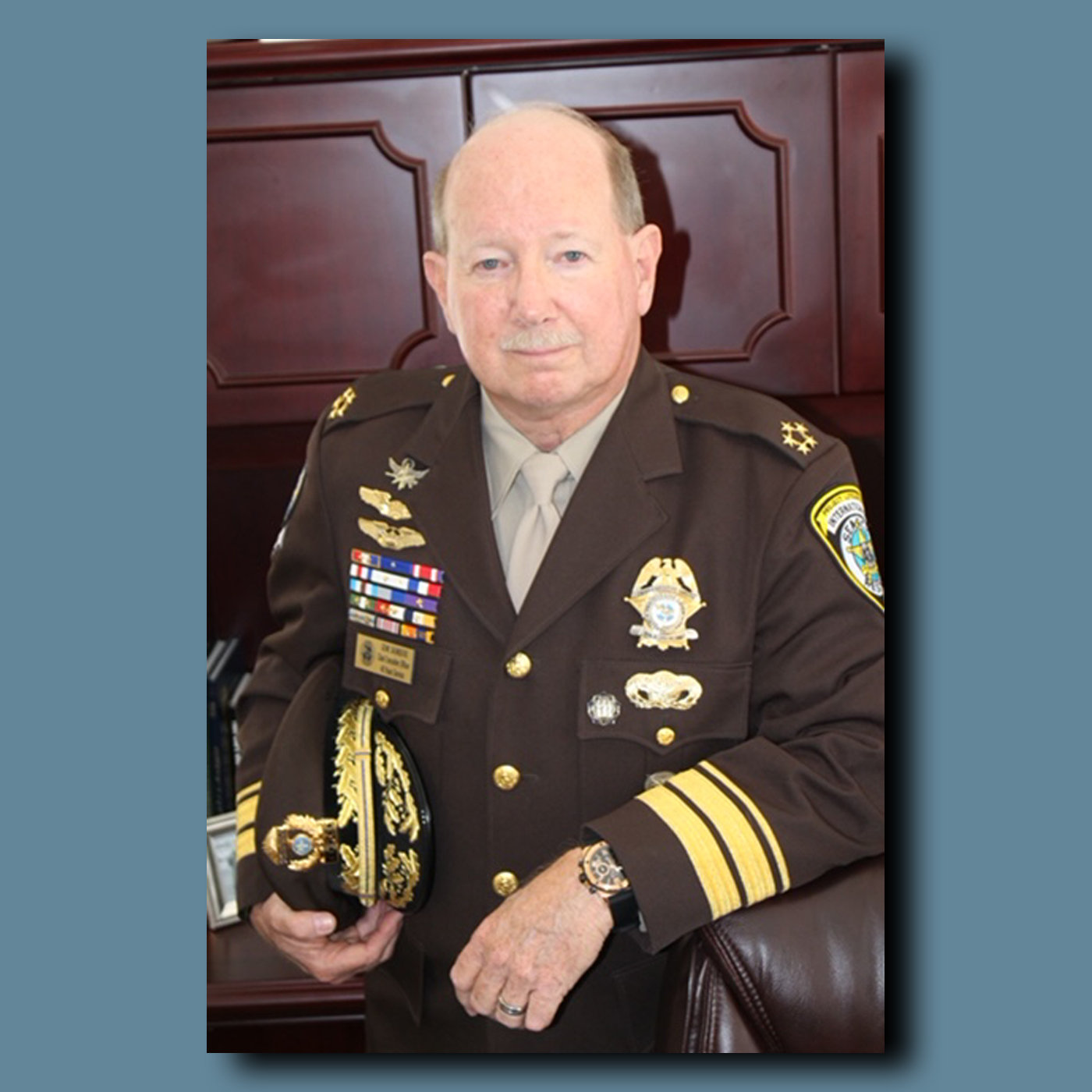

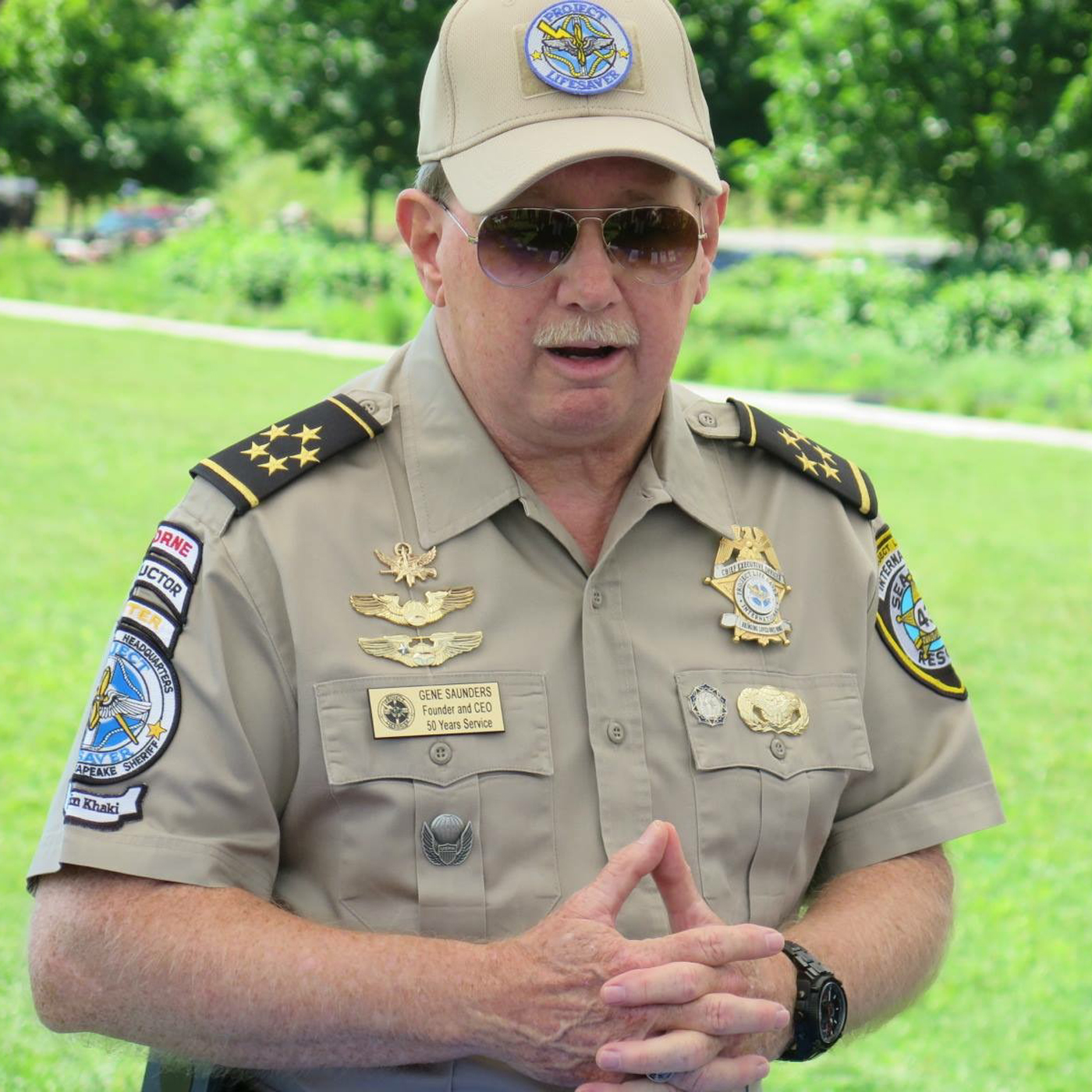
CHESAPEAKE, VA, UNITED STATES, May 4, 2026 /EINPresswire.com/ -- When Chief Gene Saunders retired from his 33-year career with the Chesapeake, Virginia Police Department, he didn’t slow down. Instead, he decided to solve a problem that was costing communities dearly in both lives and resources. Today, as founder of Project Lifesaver International, Chief Saunders leads a non-profit dedicated to finding people at risk of wandering due to Alzheimer’s, dementia, autism, and related cognitive disorders. With over 5,000 successful rescues to date, Project Lifesaver’s “electronic angels” are more than a clever phrase — they are a lifeline for families across North America.
From Local Searches to a Worldwide Solution
Chief Saunders’ inspiration came from personal experience. In the 1990s, he realized that traditional search methods for lost individuals with dementia or autism were falling short. “A lost hunter wants to be found,” Saunders explains, “but an Alzheimer’s patient is likely scared, unresponsive, or on a mission only they understand.” After struggling through searches that wasted precious hours and resources (one costing taxpayers an estimated $342,000) Saunders discovered a better way by borrowing from wildlife tracking. In 1999, Project Lifesaver was born.
Keeping It Simple, Saving Lives
Project Lifesaver clients wear a lightweight, waterproof wristband that transmits a unique radio frequency signal. Unlike GPS devices that often require frequent charging and can drain quickly, these bands work 24/7, without monthly fees or unreliable satellite connections. “It’s radio direction finding,” Saunders says. “The same technology that located WWII spies and helped the Japanese find Pearl Harbor is now protecting our most vulnerable.”
When a client goes missing, caregivers call a dedicated number to activate local Project Lifesaver-trained teams. These responders use handheld receivers to track the signal, often locating individuals in less than 30 minutes. The system bypasses cell dead zones and thick woods with no Wi-Fi or satellites required.
Not Just Technology, but Training and Compassion
Success is more than hardware. Project Lifesaver provides extensive training for police, fire, and search-and-rescue teams. Responders learn not only to use the equipment, they learn the unique needs of those with cognitive disorders. “Finding someone is only half the job,” says Saunders. “Getting them home safely, with respect and understanding, is just as important.”
Families register voluntarily, and the organization emphasizes privacy and dignity. As Saunders puts it, “We’re not tracking you every minute. The device activates only when needed, and it’s the caregiver’s decision, never a court order.”
Meeting Modern Challenges with Integrity
As more families face dementia and autism diagnoses, the demand for Project Lifesaver’s services is growing rapidly. The organization’s approach stands out for its personal touch and non-profit commitment. Despite attempts by for-profit companies to push Project Lifesaver out of the market, including legal battles and high-tech rivals, Saunders remains undeterred. “We’re here to serve, not to profit from people in distress,” he asserts.
The system’s cost savings are also compelling. A single search conducted by a government agency can cost communities hundreds of thousands of dollars. Project Lifesaver operates efficiently and economically. Perhaps most important, it spares families the agony of uncertainty, turning potential tragedies into stories of reunion.
Grassroots Growth and Community Connection
Project Lifesaver’s success spreads by word of mouth and community involvement. Families who’ve seen its effectiveness become its best advocates, urging local agencies to join the network. The annual Project Lifesaver conference, held each August, brings together first responders for knowledge-sharing and camaraderie. This year’s event will feature speakers on Alzheimer’s, autism, and officer wellness, as well as offer entertainment to boost morale. “These people are out there at the worst moments, doing good work,” says Saunders. “They deserve support and celebration.”
Get Involved
Anyone interested in supporting Project Lifesaver (whether through donations, advocacy, or encouraging agencies to join) can find information on their website. As Chief Saunders says, “Our expansion has always been grassroots. When people see what we do, they want it for their community.”
For families facing the fear and uncertainty that comes with dementia, autism, or cognitive disorders, Project Lifesaver’s electronic angels provide real hope and a simple solution that has been saving lives and bringing peace of mind for over 25 years.
About Project Lifesaver International
Founded in 1999 by Chief Gene Saunders, Project Lifesaver International is a non-profit 501(c)(3) organization dedicated to providing timely responses to families with lost loved ones. Project Lifesaver also reduces potential injury for adults and children who wander due to Alzheimer’s, dementia, autism, or other cognitive disorders. The organization has partners in law enforcement, fire/rescue, and community agencies throughout North America.
Close Up Radio featured Chief Gene Saunders, founder of Project Life Saver International, in a two-part interview with Doug Llewelyn on Tuesday April 28th at 1pm Eastern and Tuesday May 5th at 1pm Eastern
Listen to the Podcast
https://podcasts.apple.com/us/podcast/part-1-close-up-radio-spotlights-chief-gene-saunders/id1785721253?i=1000764643123
https://www.iheart.com/podcast/269-close-up-radio-242020413/episode/part-1-close-up-radio-spotlights-chief-gene-saunders-of-project-life-saver-international-332076979
https://open.spotify.com/episode/2sOZvT4W7zkewWEUFY6yRt
For more information about Chief Gene Saunders, please visit https://projectlifesaver.org/
Lou Ceparano
Close Up Television & Radio
+1 631-850-3314
email us here
Visit us on social media:
Facebook
Legal Disclaimer:
EIN Presswire provides this news content "as is" without warranty of any kind. We do not accept any responsibility or liability for the accuracy, content, images, videos, licenses, completeness, legality, or reliability of the information contained in this article. If you have any complaints or copyright issues related to this article, kindly contact the author above.
